English
 Chinese


Top 5 Factors EPC Buyers Consider When Sourcing CRA Clad Pipe
In the bidding and execution process of international EPC projects, the selection of pipeline materials often becomes a key variable affecting the economic and reliability of the project. Especially in oil and gas gathering and transportation, refining and chemical integration, LNG receiving stations, and deep-sea energy development, the corrosion environment is complex and varied, and traditional carbon steel or stainless steel is difficult to balance strength and corrosion resistance. CRA cladding pipe (Corrosion Resistant Alloy Weld Overlay Pipe) has become the standard material selection solution for international energy giants such as Shell and BP due to its composite structure of "high-strength base layer+corrosion-resistant alloy coating". However, for EPC purchasers, how to make the best choice among numerous suppliers? Based on its extensive experience in participating in over 200 large-scale EPC projects worldwide, PESCO has identified five key factors in procurement decision-making to help engineering companies minimize lifecycle costs while controlling risks.
The first element is the metallurgical bonding quality and process stability of the coating. The core technical indicator of welded pipeline is the metallurgical bonding strength between the base layer and the cladding layer, which directly determines the service safety of the pipeline under high pressure, high temperature, and alternating loads. Poor quality products often suffer from delamination, porosity, or incomplete fusion defects, leading to catastrophic leaks after production. High quality suppliers should adopt automated hot wire TIG welding technology, equipped with an 8-axis linkage control system, to ensure that the coating thickness deviation is controlled within ± 0.15mm and the metallurgical bonding strength is ≥ 450MPa. Each batch of PESCO's pile welded pipe API 5LC Clad Pipe ( https://www.petrolsteel.com/cra-clad-pipe-p.html ) has passed shear strength testing, ultrasonic testing (100% UT full coverage), and metallographic analysis, fully meeting the requirements of API 5LD and NACE MR0175 standards, providing a reliable corrosion barrier for deep-sea oil and gas and acid gas field projects.
The second element: material combination and adaptability to working conditions. The corrosive media for different projects vary greatly: Inconel 625 coating is required for high H ₂ S environments, super duplex steel 2207 is suitable for seawater desalination projects, and 316L stainless steel can be used for general chemical processes. EPC purchasers must be wary of a "one size fits all" material selection scheme - a Middle Eastern refinery once experienced pitting and perforation after 18 months of operation due to a supplier's incorrect recommendation of 304L cladding. Professional suppliers should have comprehensive material engineering capabilities and be able to provide customized substrate and coating combination solutions based on medium composition, temperature and pressure curves, and design specifications. PESCO has an independent CNAS-certified laboratory that can conduct pitting potential testing, intergranular corrosion testing, and -196 ℃ low-temperature impact verification to ensure accurate material matching for each project.
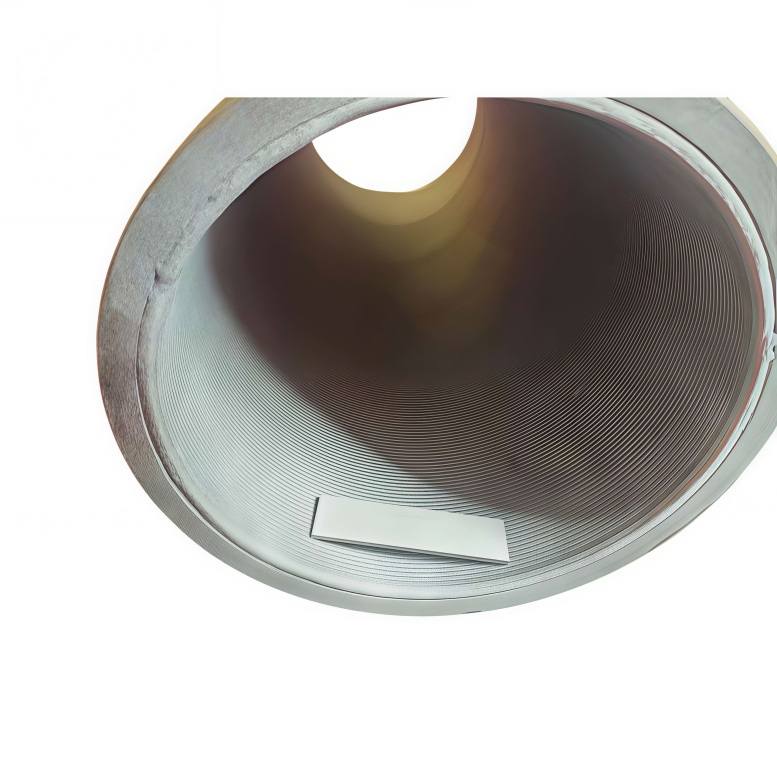
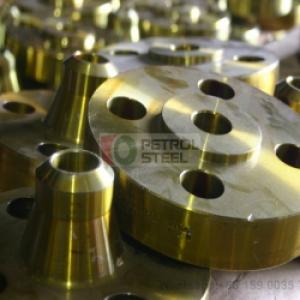
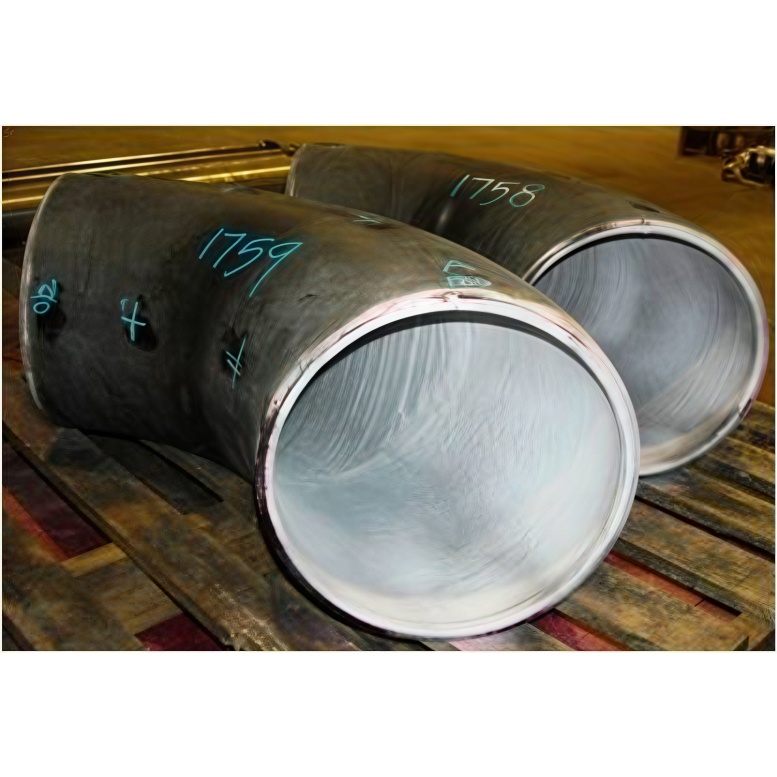
The third element is the integrity and compatibility of the piping system. The weak links in pipeline systems often lie at the connections between elbows, tees, and flanges, especially on the outer arc side of the elbow, which is most severely eroded by the medium. If welded pipes are used for straight pipes and ordinary alloys are used for fittings, a "short plate effect" will be formed, leading to local premature failure. A mature solution should cover the entire range of CRA overlay bends ( https://www.petrolsteel.com/PESCO-Clad-Bends-p.html ), CRA overlay elbows ( https://www.petrolsteel.com/Cladding-Pipe-Fittings-p.html ), and CRA overlay flanges ( https://www.petrolsteel.com/PESCO-Cladding-Flanges-p.html ), and all components should use the same cladding material and welding process to ensure consistent corrosion resistance of the entire pipeline. PESCO's integrated supply model has been validated in South American floating LNG projects: compared to decentralized procurement, the overall supply plan shortens the 28-day acceptance cycle and increases the on-site welding qualification rate to 99.2%.
The fourth element: quality traceability system and third-party certification. The requirements for material traceability in international EPC projects are becoming increasingly stringent, and the entire process from raw material furnace numbers to final inspection reports must be traceable. The purchaser should focus on examining whether the supplier has the ability to issue EN 10204 3.2 certificates and whether they have passed factory audits by third-party organizations such as SGS, BV, DNV, etc. Especially for Sour Service projects, it is necessary to confirm that the product complies with NACE MR0175/ISO 15156 standards and provide specialized corrosion test reports such as HIC, SSC, SCC, etc. PESCO has established a complete digital quality archive system, where each pipeline and fitting can be traced back to specific welding parameters, heat treatment records, and testing data, fully meeting the audit requirements of international engineering.
The fifth element: delivery synergy and life cycle cost (LCC). The pipeline materials of EPC projects often have the characteristics of "long lead time and batch delivery", and the production scheduling ability of suppliers directly affects the project schedule. At the same time, procurement decisions should shift from simply comparing unit prices to evaluating full lifecycle costs, including initial investment, maintenance costs, downtime losses, and replacement costs. Taking a 10 million ton/year refinery in Southeast Asia as an example, although the initial investment of the PESCO surfacing pipeline scheme is 15% higher than that of ordinary stainless steel, the cumulative cost savings of over 8 million US dollars within 5 years are achieved by extending the maintenance cycle (from 2 years to 5 years) and reducing unplanned shutdowns. This LCC optimization thinking is the key to maintaining competitiveness for top EPC contractors in large-scale projects.
With the full implementation of the global carbon tariff policy in 2026, the carbon emission factor of pipeline materials will also become an important indicator for procurement evaluation. CRA welding technology can reduce carbon emissions from nickel mining by about 60% per ton of pipe material by reducing the amount of precious metals used. At the same time, lightweight design reduces transportation and installation energy consumption. PESCO's technical team can assist clients in carbon footprint accounting, provide material traceability documents that comply with EU CBAM regulations, and help projects pass ESG reviews smoothly.
If your EPC project is facing procurement challenges for CRA overlay welding pipelines, please visit https://www.petrolsteel.com or email sales@petrolsteel.com
Obtain professional technical support. We will provide comprehensive services based on your specific operating parameters and project schedule requirements, including material selection, third-party testing solutions, and logistics delivery plans, to ensure the safe, reliable, and timely delivery of your project.
ONE OF THE KIND, MILLIONS OF CHOICES
SUPERIOR QUALITY
PROMPT DELIVERY
FAVORABLE FEEDBACK
ALL AVAILABLE IN PESCO
SELECT PESCO, YOU WILL BE RIGHT
For more info and price of CRA CLAD Pipe and the specifications, please send us the inquiry, you will get the quick reply soon.
Headquater: A-4F, Vantone Center, A6, Chaowai St., Chaoyang Dist., Beijing, China.
Tel/Fax: +86 10 8599 9168
Whatsapp/Wechat: 0086 159 0035 7871
Email: sales@petrolsteel.com, jackywinn@foxmail.com
For more tehchnical information and available stocks or the customized types of superior CRA CLAD Pipes, Cladding Pipe Fittings and PESCO Cladding Flanges, please click the links:
https://www.petrolsteel.com/CRA-CLAD-Pipe-p.html
https://www.petrolsteel.com/PESCO-Clad-Bends-p.html
https://www.petrolsteel.com/Cladding-Pipe-Fittings-p.html
https://www.petrolsteel.com/PESCO-Cladding-Flanges-p.html
https://www.petrolsteel.com/Explosion-Welding-Pipe-p.html
Frequently Asked Questions
Why CRA CLAD Pipe Is Essential for LNG and Offshore Energy Projects
Corrosion-Resistant Alloy Clad Pipe Solutions for Refinery and Petrochemical Plants
API 5LD CRA CLAD Pipe Procurement Guide for EPC Contractors
Alloy 625 CRA CLAD Pipe for H₂S and CO₂ Corrosion Environments
Why EPC Contractors Choose CRA Clad Pipe Instead of Solid CRA Pipe for Corrosion-Critical Projects
How to Select the Right CRA Clad Pipe Material for Offshore Pipeline Projects
API 5LC CRA Clad Pipe vs Solid CRA Pipe: Cost and Performance Comparison