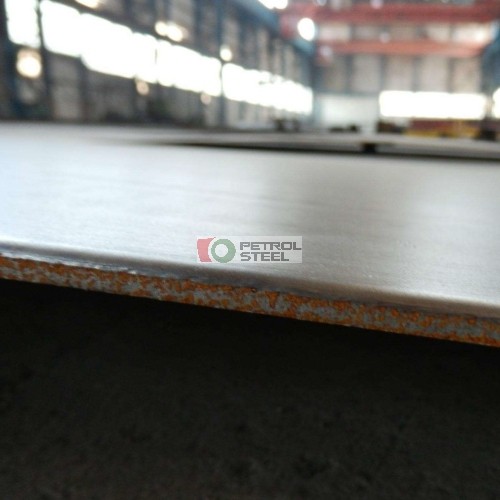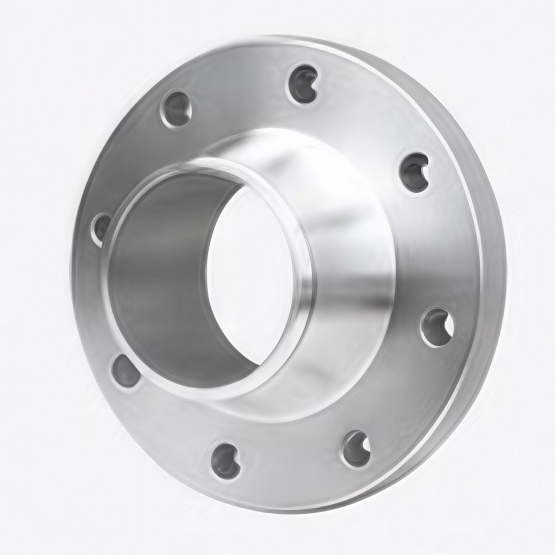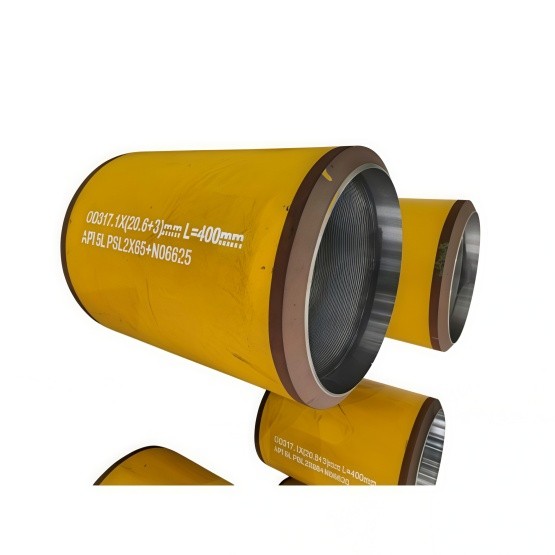
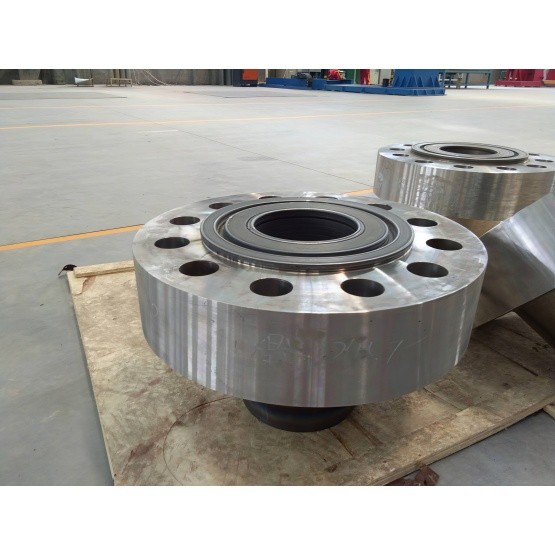
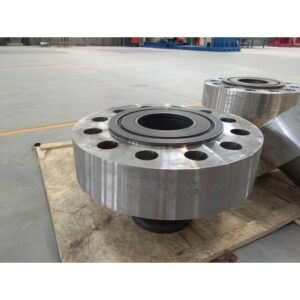
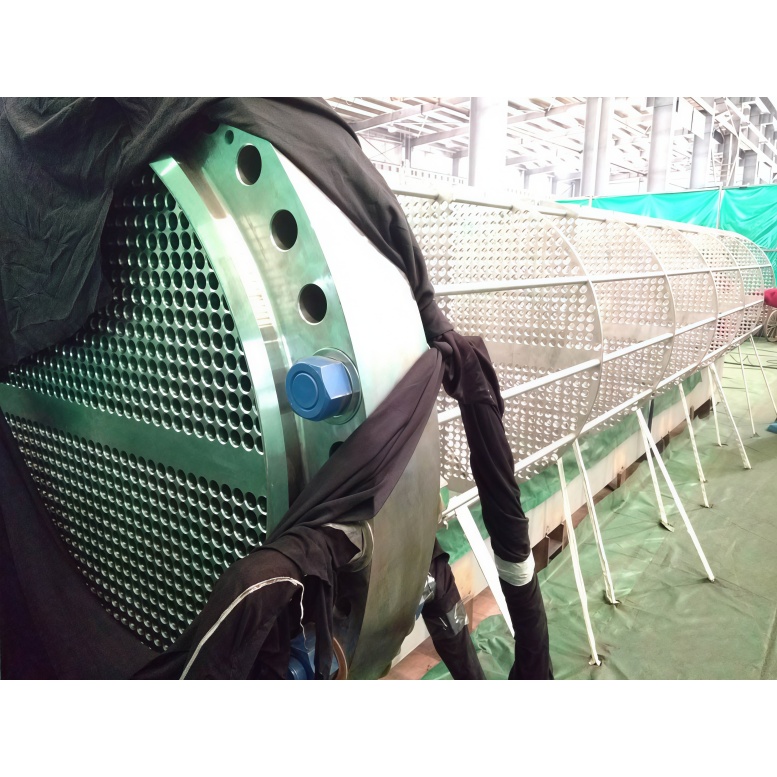
The dimensional and pressure ratings from PESCO align with major international standards. PETROL STEEL CO., LTD ( PESCO www.petrolsteel.com ) can supply PESCO Cladding Flanges’ sizes from NPS 1/2″ to 24″ (DN15–600) under ASME B16.5, and large diameters up to NPS 60″ (DN1500) per ASME B16.47 Series A/B. Pressure classes range from Class 150 to 2500 (ANSI/ASME) and PN10 to PN400 (EN/DIN). Common types of facing include Raised Face (RF), Flat Face (FF), and Ring Type Joint (RTJ), with custom orifice flanges available upon request.
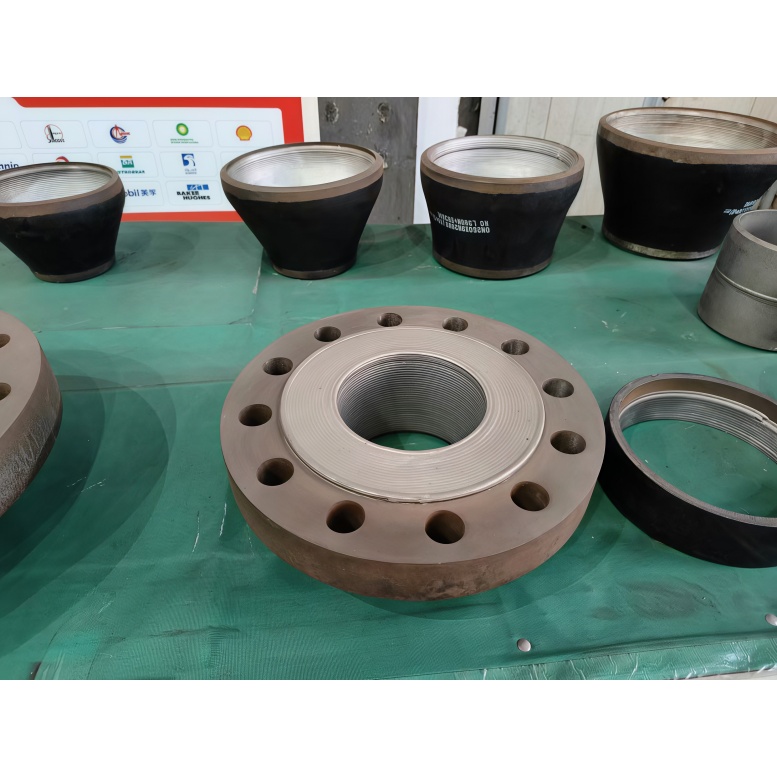
Material combinations of PESCO Cladding Flanges are highly flexible. Base materials typically include ASTM A105, A350 LF2, A694 F52/F60/F65, and alloy steels (A182 F11/F22/F91). The corrosion-resistant overlay commonly utilizes Stainless Steel (304L/316L/321), Duplex/Super Duplex (2205/2507), and Nickel Alloys (Inconel 625, Incoloy 825, Hastelloy C276). The standard minimum overlay thickness is usually 3mm, though specifications often require 1.5mm to 5mm, depending on the service life and NACE/ISO requirements.
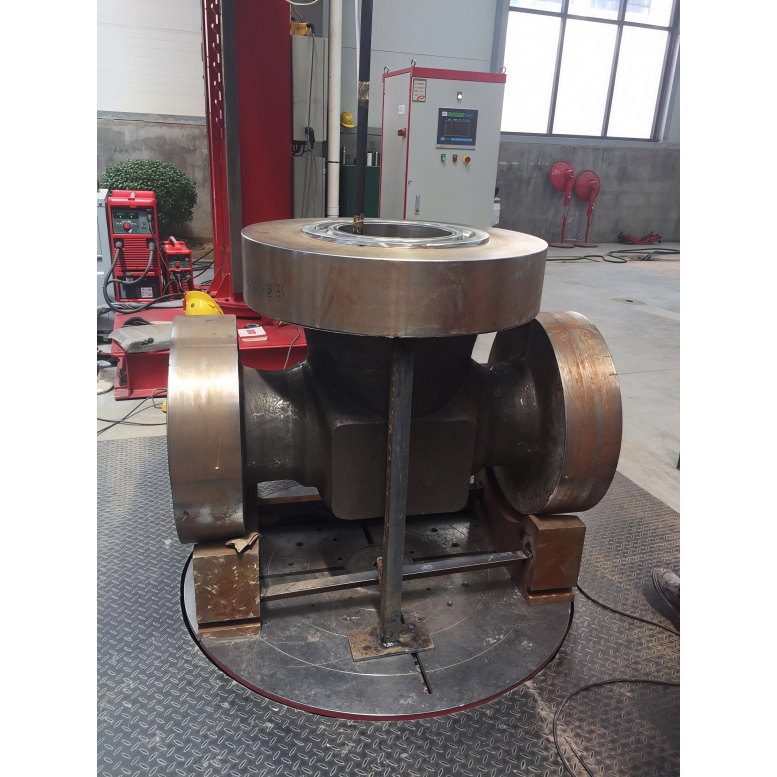
For EPC export projects, it is critical to specify the base material, CRA grade, and minimum overlay thickness in technical inquiries ( e.g., “Flange, WN, CL600, RF, A105 + Inconel 625 Overlay Min. 3mm” ). Post-weld heat treatment (PWHT) and Non-Destructive Examination ( NDE ), such as PT, UT, and hardness testing, should be clearly defined according to project specifications ( e.g., NACE MR0175/ISO 15156 ) to ensure compliance with sour service or high-pressure environments.
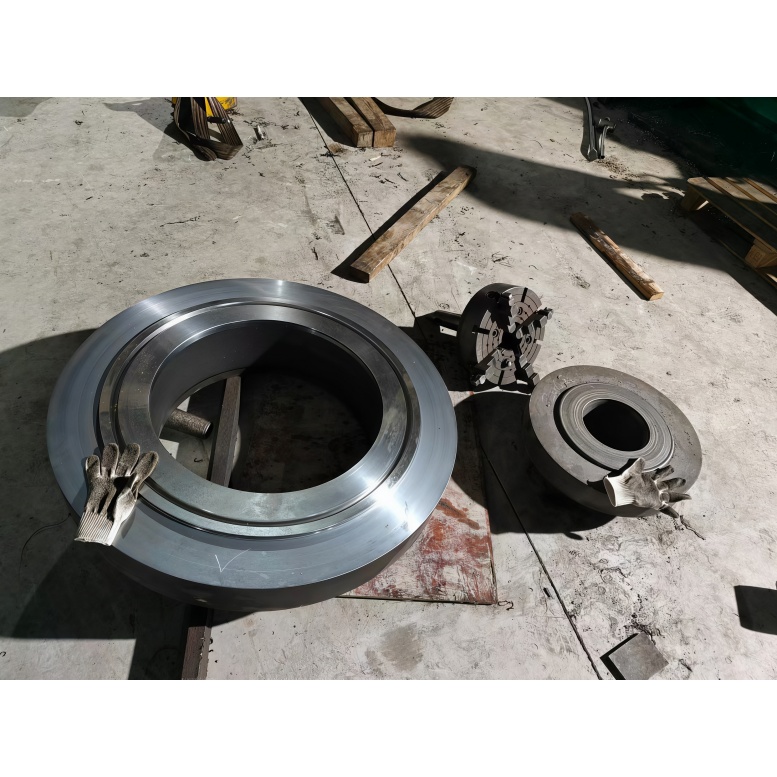
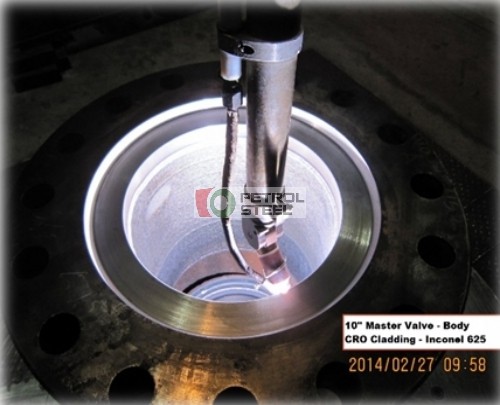
The Core Manufacturing Process of PESCO Cladding Flanges. PETROL STEEL CO., LTD employs a manufacturing strategy primarily centered on Forging Base + Automatic Overlay Welding, supplemented by Explosion Cladding. The standard workflow of PESCO Cladding Flanges involves using Carbon Steel or Low Alloy Steel forgings, followed by rough machining, preheating, and depositing Corrosion Resistant Alloys (CRA) such as Stainless Steel or Nickel-based alloys via automated welding processes. This ensures a robust metallurgical bond between the base material and the corrosion-resistant layer, providing superior structural integrity compared to mechanical lining methods.
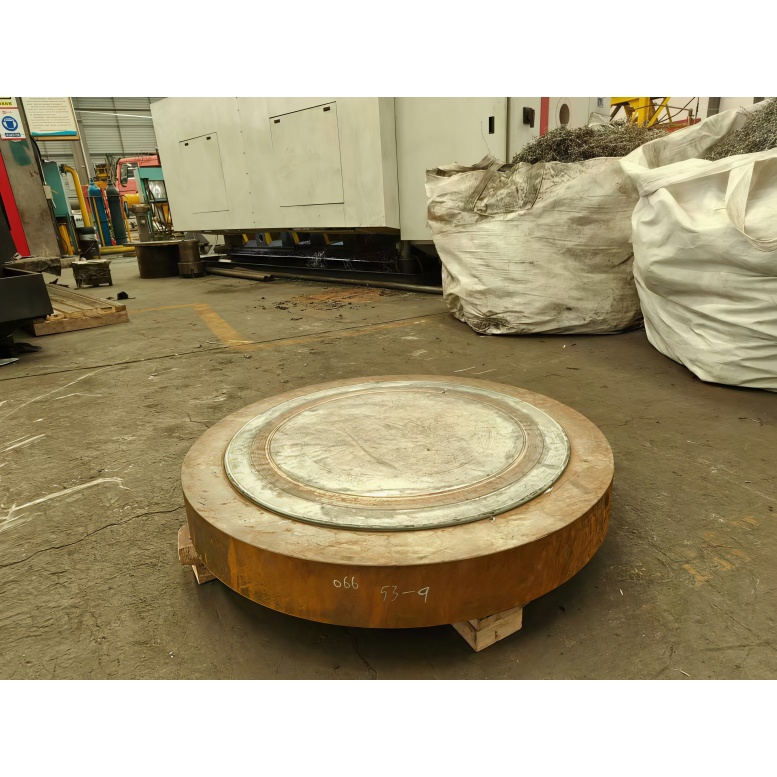
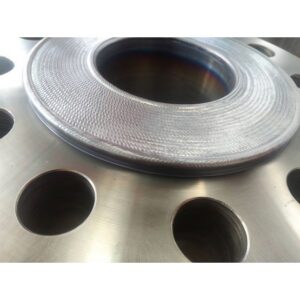
The Metallurgical Bonding and Safety from PESCO. The primary advantage of PESCO Cladding Flanges’ overlay process is the achievement of a true metallurgical bond. Unlike loose liners or sleeve-type flanges that risk delamination under pressure or thermal cycling, PETROL STEEL’s welded overlay becomes an integral part of the forging. This makes PESCO Cladding Flanges highly suitable for high-pressure ( Class 600–2500 ), high-temperature, and cyclic loading environments typical of oil & gas refineries and offshore platforms, effectively eliminating the risk of leakage at the interface.
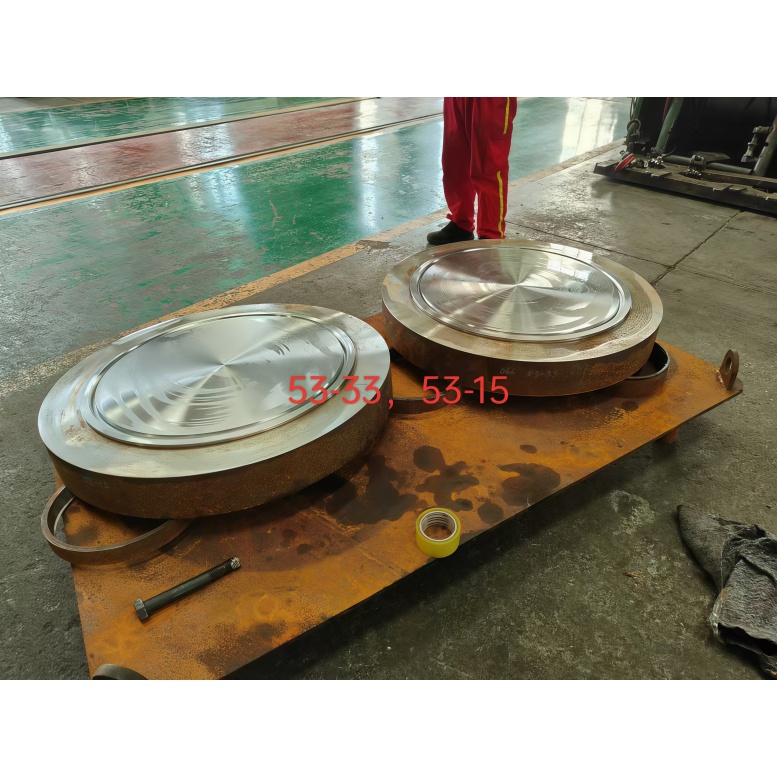
The Controlled Chemistry and Corrosion Resistance of PESCO Cladding Flanges. The automatic TIG/MIG welding process allows for precise control over the chemical composition of the CRA layer of PESCO Cladding Flanges. By utilizing specific filler metals (e.g., ERNiCrMo-3 for Inconel 625, ER2209 for Duplex), the factory controls dilution rates to ensure the final overlay maintains critical corrosion properties, such as resistance to pitting, crevice corrosion, and sour service (H₂S/CO₂). This capability is vital for meeting stringent project specifications like NACE MR0175/ISO 15156.
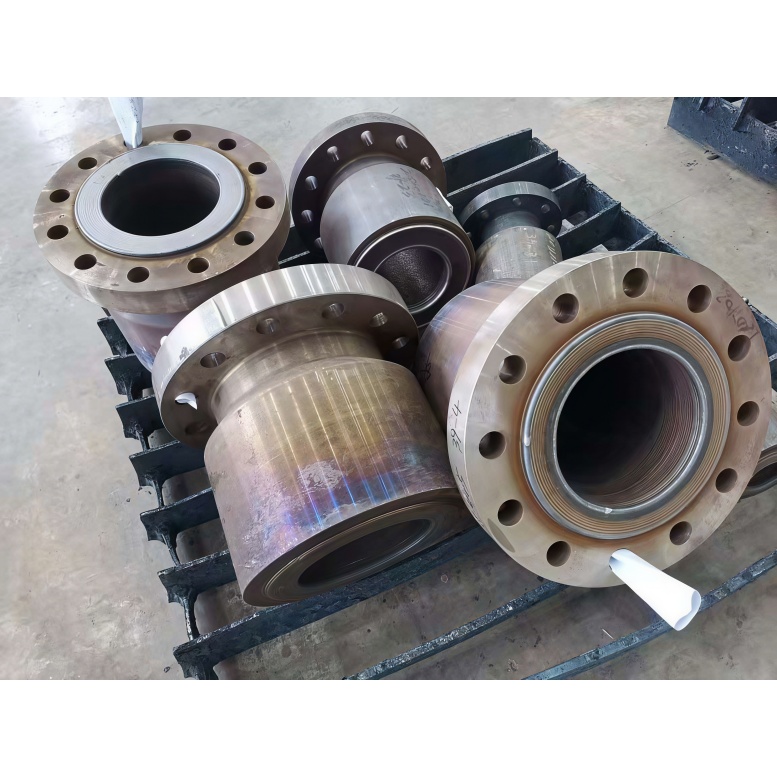
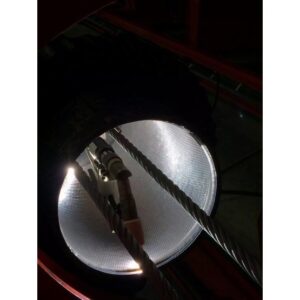
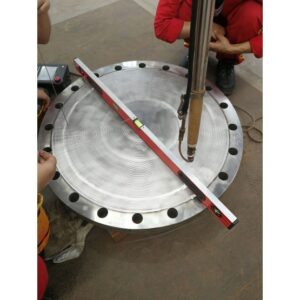
The Sealing Surface Integrity and NDT Reliability of PESCO Cladding Flanges. A significant benefit is the uniformity of the CRA layer of PESCO Cladding Flanges across the sealing surface (RF/RTJ). The entire sealing face is machined from the overlay, avoiding weak points often found in composite plates. Furthermore, this process facilitates rigorous Non-Destructive Testing (NDT). The metallurgical bond provides clear ultrasonic (UT) signals for inspection, allowing for 100% PT, UT, and hardness testing (meeting API 6A HRC≤22 requirements) to satisfy Third-Party Inspectors (TPI) like SGS, BV, or DNV.
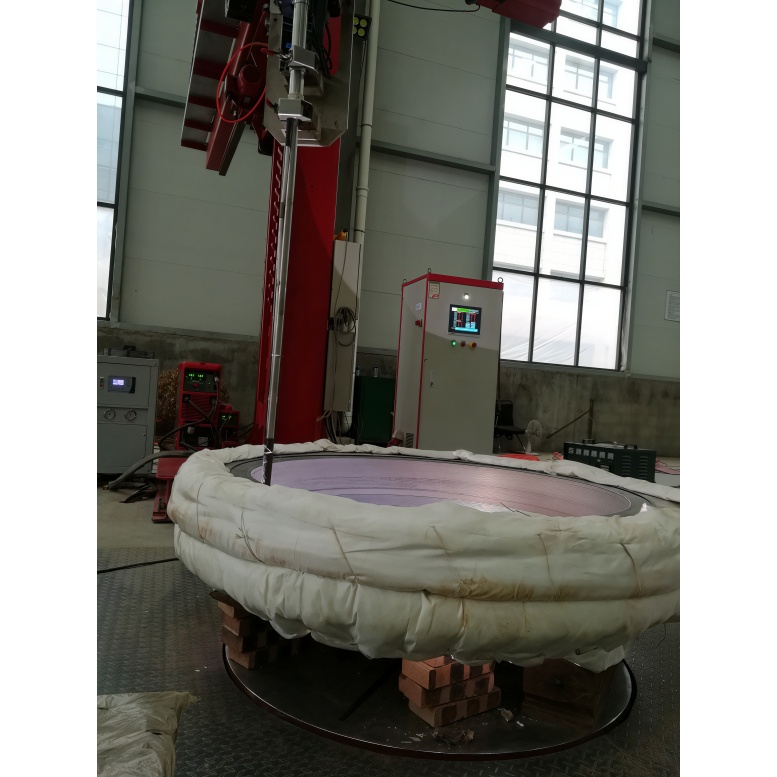
The Flexibility and Cost Efficiency for EPC Projects from PESCO. For export EPC contractors, the process offers excellent flexibility and cost efficiency. It accommodates non-standard sizes and custom pressure ratings without requiring massive tooling changes. Compared to importing fully solid CRA forged flanges (e.g., Monel or Inconel), this method reduces costs by approximately 40–70% while maintaining performance. PESCO factory also supports full traceability with EN 10204 3.1/3.2 certificates and can coordinate with pipe and fitting deliveries.
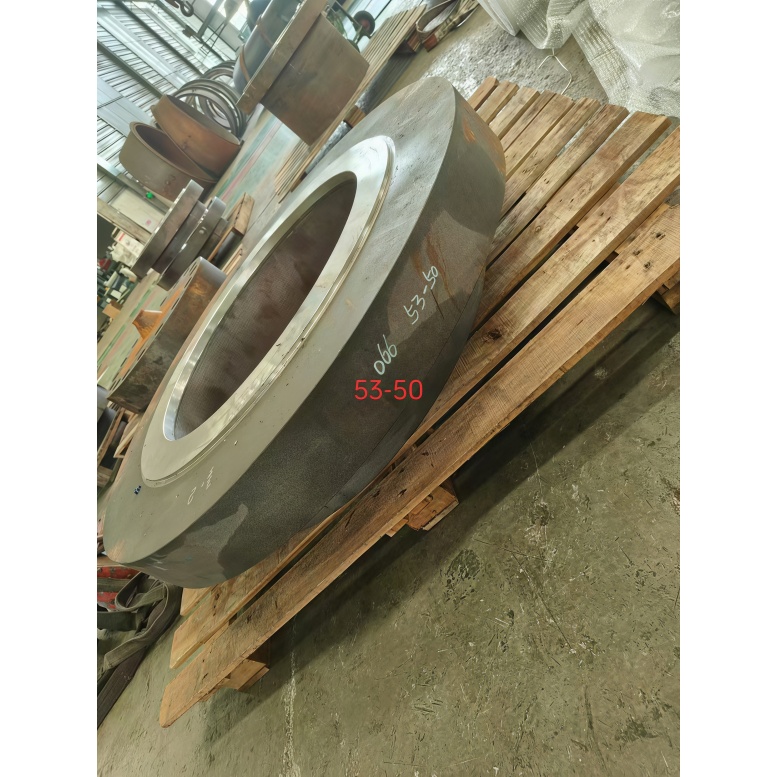
The Best Procurement Recommendations from PESCO. When specifying PESCO Cladding Flanges for your projects, it is recommended to define the base material, overlay alloy, and minimum thickness clearly. For aggressive acidic environments, specify A350 LF2 + Inconel 625 Overlay (min 3mm). For general seawater service, A105 + 316L or 2205 Duplex Overlay is sufficient. Ensure the technical clause states: “Flanges shall be forged steel with corrosion-resistant alloy overlay deposited by automatic GTAW/GMAW process, in accordance with ASME B16.5/API 6A and NACE MR0175.”
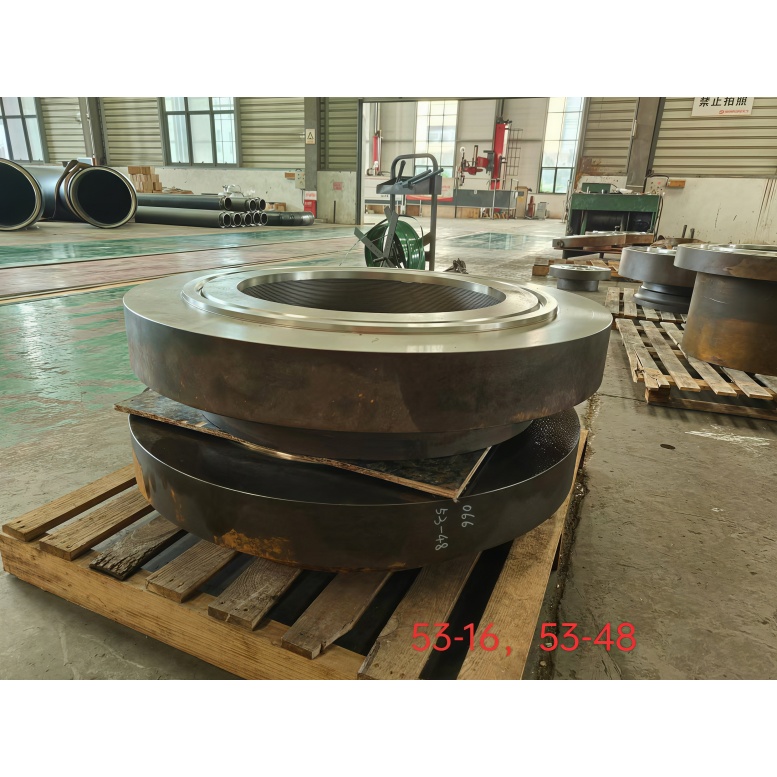
Superior Quality, Prompt Delivery, Favorable Feedback. All are available in PESCO.
Select PESCO, you will be right!
https://www.petrolsteel.com/Contact-us
Tel/Fax: +86 10 8599 9168
Cell/WhatsApp/ Wechat: 0086 159 0035 7871
Email: sales@petrolsteel.com, jackywinn@foxmail.com


The reference technical links of PESCO Cladding Pipe Fittings, PESCO Clad Bends, CRA CLAD Pipes, and Explosion Welding Pipes:
https://www.petrolsteel.com/Cladding-Pipe-Fittings-p
https://www.petrolsteel.com/PESCO-Clad-Bends-p
https://www.petrolsteel.com/CRA-CLAD-Pipe-p
https://www.petrolsteel.com/Explosion-Welding-Pipe-p
Frequently Asked Questions
Why CRA CLAD Pipe Is Essential for LNG and Offshore Energy Projects
Top 5 Factors EPC Buyers Consider When Sourcing CRA CLAD Pipe
API 5LD CRA CLAD Pipe Procurement Guide for EPC Contractors
Alloy 625 CRA CLAD Pipe for H₂S and CO₂ Corrosion Environments
Why EPC Contractors Choose CRA Clad Pipe Instead of Solid CRA Pipe for Corrosion-Critical Projects
How to Select the Right CRA Clad Pipe Material for Offshore Pipeline Projects
API 5LC CRA Clad Pipe vs Solid CRA Pipe: Cost and Performance Comparison
Corrosion-Resistant Alloy Clad Pipe Solutions for Refinery and Petrochemical Plants