English
 Chinese


Alloy 625 CRA Clad Pipe for H₂S and CO₂ Corrosion Environments
The coexistence of H₂S and CO₂ in strong corrosion conditions in onshore high-sulfur gas fields, deep-sea oil platforms, and refining acidic-medium pipeline projects is the most difficult challenge for EPC general contractors in the pipeline design and procurement stages. Ordinary carbon steel pipelines are prone to sulfide stress cracking and uniform corrosion perforation; The sulfur resistance of 316L stainless steel is insufficient to meet the long-term service requirements of underground and gathering pipelines; The procurement cost of solid Alloy 625 pipes is extremely high, which directly increases the CAPEX budget of the project and compresses the profit margin of EPC bidding. A large number of project cases have shown that many contractors who choose non-standard lined composite pipes have defects such as delamination, interface corrosion, and welding cracks, which have been rejected for rectification by third-party supervisors of the owners, resulting in project delays and high claims. In response to common challenges in this industry, PETROL STEEL has launched a complete solution for Alloy 625 CRA metallurgical composite pipelines, which includes material selection, complete pipe fittings matching, supervision and testing, and on-site welding technical support to form a closed-loop service. The complete engineering solution can be found on the official website https://www.petrolsteel.com.
Alloy 625, with its nickel chromium molybdenum niobium alloy system, has become a core corrosion-resistant alloy material that can resist H₂S sulfide corrosion, CO₂ carbonate corrosion, and chloride ion pitting corrosion simultaneously. It is also the preferred cladding material for composite pipes in high acid working conditions according to API standards. Compared to alloys such as 316L and duplex steel, Alloy 625 has a stable passivation film in high-temperature and high-pressure sulfur-containing media, which can avoid the risk of hydrogen-induced cracking and is suitable for multiple scenarios such as formation fluids, wellhead gathering and transportation, and oil and gas processing equipment. However, a single Alloy 625 straight pipe cannot form a complete pipeline system. If the pipeline corners, direction changes, and flange connection parts are replaced with other materials of alloys, the potential difference of dissimilar metals will accelerate local corrosion. The overall anti-corrosion plan for the project pipeline requires a unified metallurgical composite process standard. Standardized straight pipe products can refer to the API 5LC Clad Pipe for stacked welded pipes. The metallurgical bonding strength of its composite interface is completely consistent with the Alloy 625 composite pipe technology system and can be included in the EPC overall procurement list for unified control.
Controlling infrastructure investment and later operation and maintenance costs is the core indicator for EPC contractors' bidding and project performance. Alloy 625 CRA composite pipes adopt a carbon steel pressure-bearing base layer + Alloy 625 corrosion-resistant cladding metallurgical composite structure. Under the premise of ensuring the same resistance to H₂S/CO₂ corrosion, the raw material procurement cost is reduced by more than 50% compared to solid Alloy 625 pipes. Cost optimization cannot sacrifice the integrity of the pipeline system. Segmented procurement of straight pipes and fittings from different suppliers will result in insufficient material matching and an inability to use universal welding processes, greatly improving the on-site construction repair rate. A complete set of sulfur-resistant composite pipelines requires a complete set of straight pipes, bent pipes, elbows, and flanges. The pipeline turning position is selected with overlay welding elbows, Clad Bends, and Cladding Elbows, and the flange docking nodes are uniformly matched with overlay welding flanges and cladding flanges. All component cladding can be customized with Alloy 625 material, which is consistent with the metallurgical process of the main pipeline. EPC can be packaged for centralized procurement, reducing the communication cost of multiple suppliers and simplifying the bidding process.
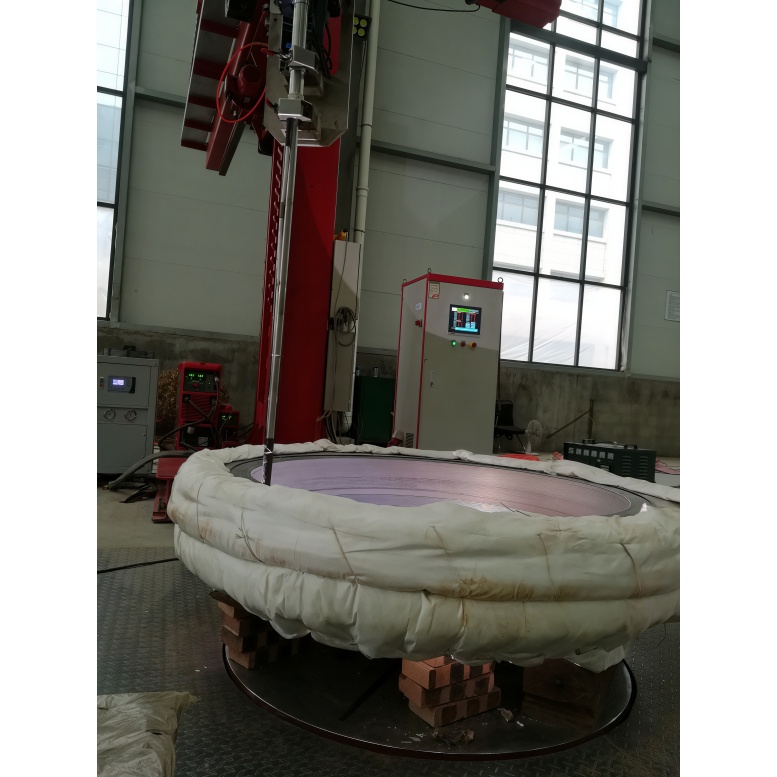
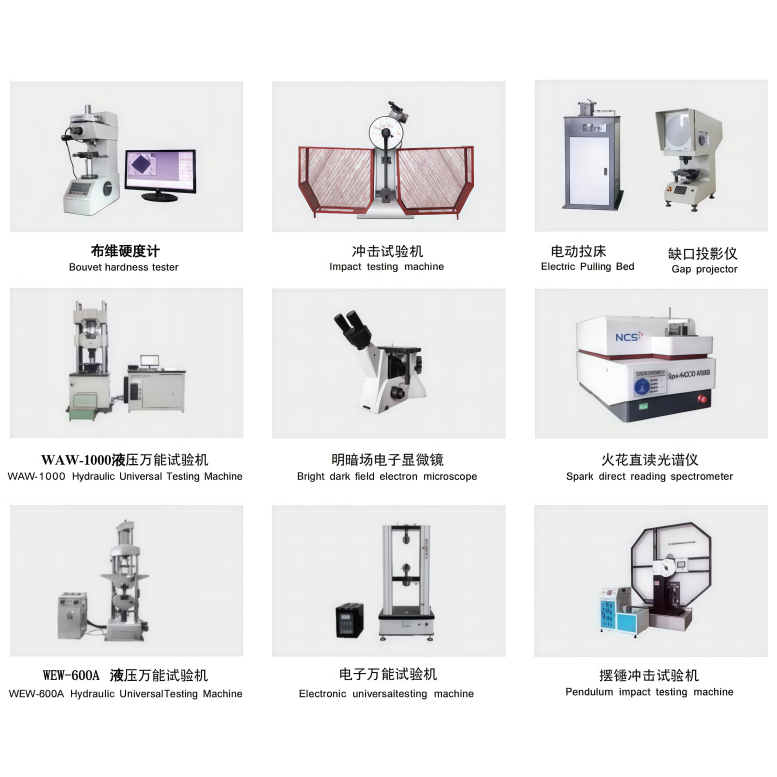
Writing rigorous and leak-free procurement technical specifications is the key to avoiding material supply deviations and acceptance disputes, and it is also the core practical tool provided by this solution for EPC procurement engineers. The specification sheet should specify four mandatory technical terms: firstly, limit the metallurgical composite process, reject mechanical lining pipes, and specify the minimum thickness of Alloy 625 cladding and the pressure bearing grade of the base carbon steel; Secondly, annotate the working condition medium parameters, including H₂S partial pressure, CO₂ partial pressure, medium temperature, and chloride ion content, as the basis for material performance acceptance; Thirdly, it is required that straight pipes and supporting fittings be produced in the same factory, with a unified Alloy 625 welding overlay standard and a unified WPS/PQR welding evaluation document issued; Fourth, agree on a complete set of third-party testing projects for interface ultrasonic testing, intergranular corrosion, and resistance to sulfide stress cracking, and provide complete material certificates in English. Peter Steel can provide customized procurement technical templates for cooperative EPC contractors free of charge to avoid project losses caused by tender loopholes. Technical service details can be found on the official website https://www.petrolsteel.com.
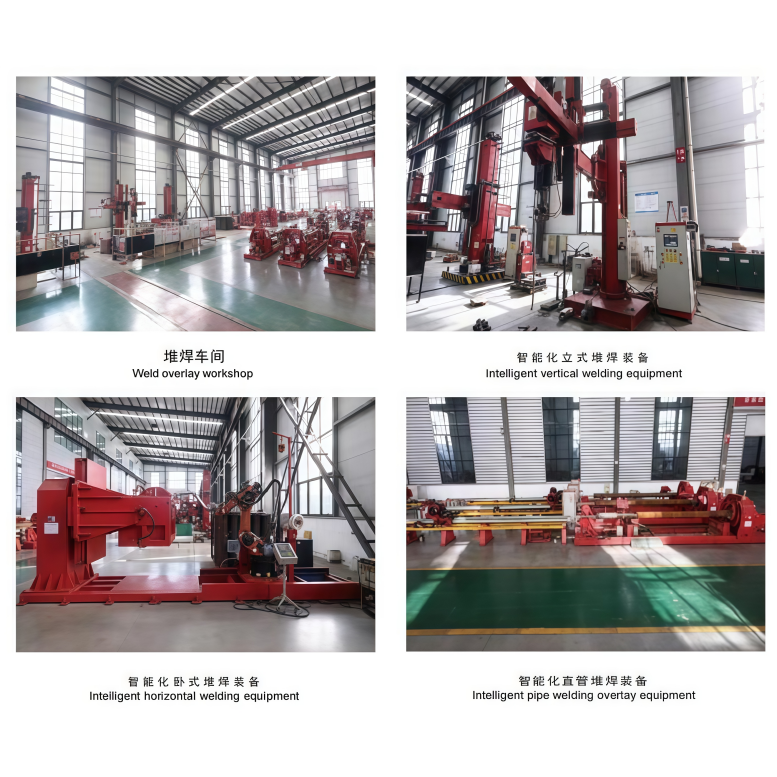
The construction window period for overseas oil and gas and chemical EPC projects is fixed, and multiple suppliers supplying in batches often encounter problems such as delayed arrival of pipe fittings, dimensional deviations, and incomplete material documents, which directly slow down the overall installation progress of pipelines. The optimal procurement model for Alloy 625 CRA composite pipelines is one-stop complete supply, where suppliers simultaneously deliver the main pipeline, a full range of welded fittings, protective packaging, welding guidance documents, and a complete set of original factory English testing reports. PETROL STEEL has a large-scale composite metal production line, with API 5LC Clad Pipe for cladding pipes, Clad Bends for cladding bends, Cladding Flanges for cladding flanges, and Cladding Elbows for cladding elbows. It supports unified production scheduling, packaging, and customs clearance documents for Alloy 625 cladding, greatly simplifying the logistics verification and port declaration work of the EPC procurement team. The overall delivery cycle can be shortened by about 25%, effectively ensuring project milestones.
Most pipe suppliers only complete the delivery of goods and do not provide welding technical support suitable for high-sulfur conditions. EPC needs to hire additional third-party technical teams, resulting in a large amount of hidden project costs. The CRA composite pipeline solution that meets the 2026 international oil and gas engineering procurement standards must cover the full cycle of technical support: factory matching of Alloy 625 special welding process evaluation, remote welding technical guidance for overseas construction sites, professional investigation of corrosion failure during the warranty period, and emergency backup pipe quick replenishment channel. The control threshold for alloy 625 multi-layer welding is relatively high, and improper operation can easily lead to alloy dilution and intergranular corrosion defects, which can quickly develop into leakage hazards under H₂S+CO₂ working conditions. Peter Steel's professional metallurgical engineers can provide exclusive welding operation plans based on the actual corrosion parameters of the project. The welding parameters of straight pipes and supporting welded fittings are interconnected, reducing on-site repair workload and lowering the risk of quality assurance complaints from owners.
The procurement of Alloy 625 CRA composite pipelines is not a single-pipe procurement but an integrated anti-corrosion solution that covers corrosion condition assessment, material selection calculation, complete pipe-fitting matching, batch-standardized delivery, and on-site technical support. It directly determines the long-term operational safety and overall benefits of high H₂S and CO₂ oil and gas projects. Many EPC bidding teams are unable to obtain accurate complete sets of quotations and complete technical information due to a lack of professional composite metal suppliers, which weakens the competitiveness of project bidding. Peter Steel integrates API 5LC Clad Pipe, Cladding Elbows, Cladd Bends, Cladding Flanges, and a full range of Alloy 625 cladding composite products. We provide free corrosion condition assessment, full project cost calculation, and accurate quotation services for complete pipelines to EPC contractors of offshore platforms, high sulfur gas fields, and chemical plants worldwide. If you are preparing a procurement list for acidic medium pipelines or preparing for project bidding, you can directly log in to the official website https://www.petrolsteel.com and submit the corrosion parameters of the medium, pipeline specifications, and project schedule requirements. Our oil and gas anti-corrosion technology team will provide a complete customized solution for Alloy 625 CRA composite pipelines within 24 hours, avoiding H₂S and CO₂ corrosion failure hazards from the source, reducing project risks throughout the procurement, construction, and operation chain, and efficiently improving inquiry conversion and project winning probability.
ONE OF THE KIND, MILLIONS OF CHOICES
SUPERIOR QUALITY
PROMPT DELIVERY
FAVORABLE FEEDBACK
ALL AVAILABLE IN PESCO
SELECT PESCO, YOU WILL BE RIGHT
For more info and price of CRA CLAD Pipe and the specifications, please send us the inquiry, you will get the quick reply soon.
Headquater: A-4F, Vantone Center, A6, Chaowai St., Chaoyang Dist., Beijing, China.
Tel/Fax: +86 10 8599 9168
Whatsapp/Wechat: 0086 159 0035 7871
Email: sales@petrolsteel.com, jackywinn@foxmail.com
For more tehchnical information and available stocks or the customized types of superior CRA CLAD Pipes, Cladding Pipe Fittings and PESCO Cladding Flanges, please click the links:
https://www.petrolsteel.com/CRA-CLAD-Pipe-p.html
https://www.petrolsteel.com/PESCO-Clad-Bends-p.html
https://www.petrolsteel.com/Cladding-Pipe-Fittings-p.html
https://www.petrolsteel.com/PESCO-Cladding-Flanges-p.html
https://www.petrolsteel.com/Explosion-Welding-Pipe-p.html
Frequently Asked Questions:
Corrosion-Resistant Alloy Clad Pipe Solutions for Refinery and Petrochemical Plants
Why CRA CLAD Pipe Is Essential for LNG and Offshore Energy Projects
Top 5 Factors EPC Buyers Consider When Sourcing CRA CLAD Pipe
API 5LD CRA CLAD Pipe Procurement Guide for EPC Contractors
Why EPC Contractors Choose CRA Clad Pipe Instead of Solid CRA Pipe for Corrosion-Critical Projects
How to Select the Right CRA Clad Pipe Material for Offshore Pipeline Projects
API 5LC CRA Clad Pipe vs Solid CRA Pipe: Cost and Performance Comparison