Description
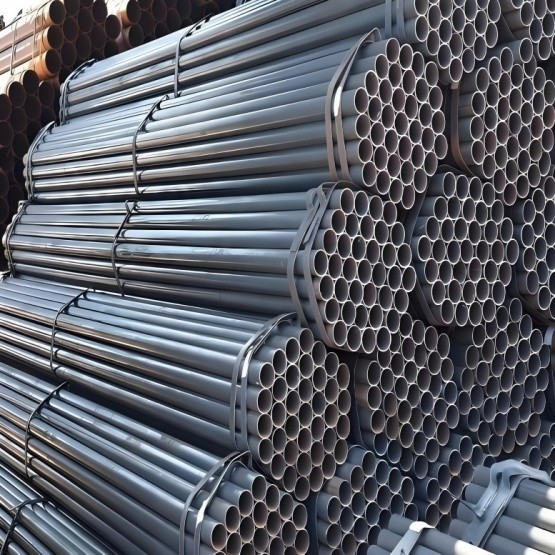
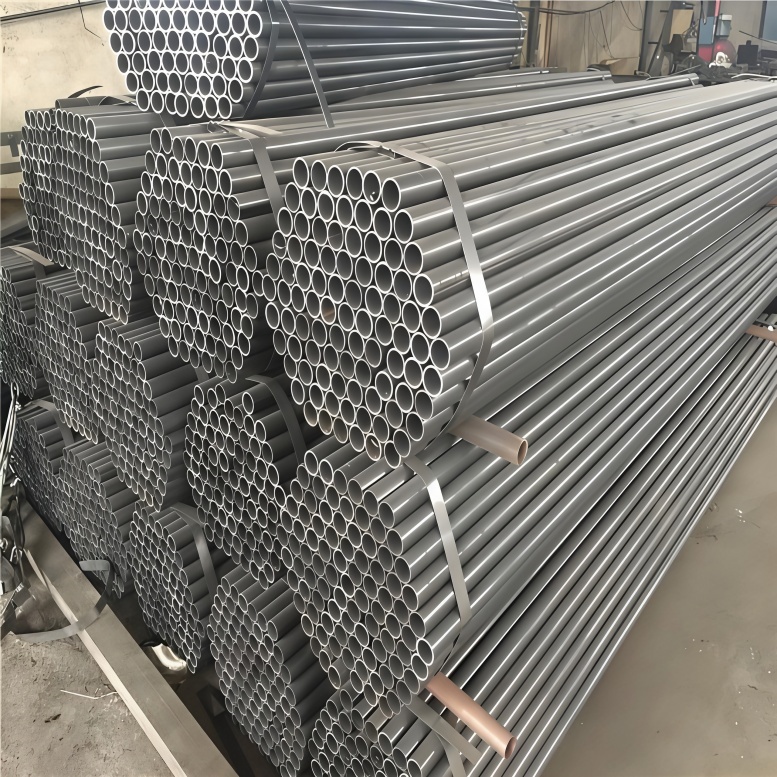
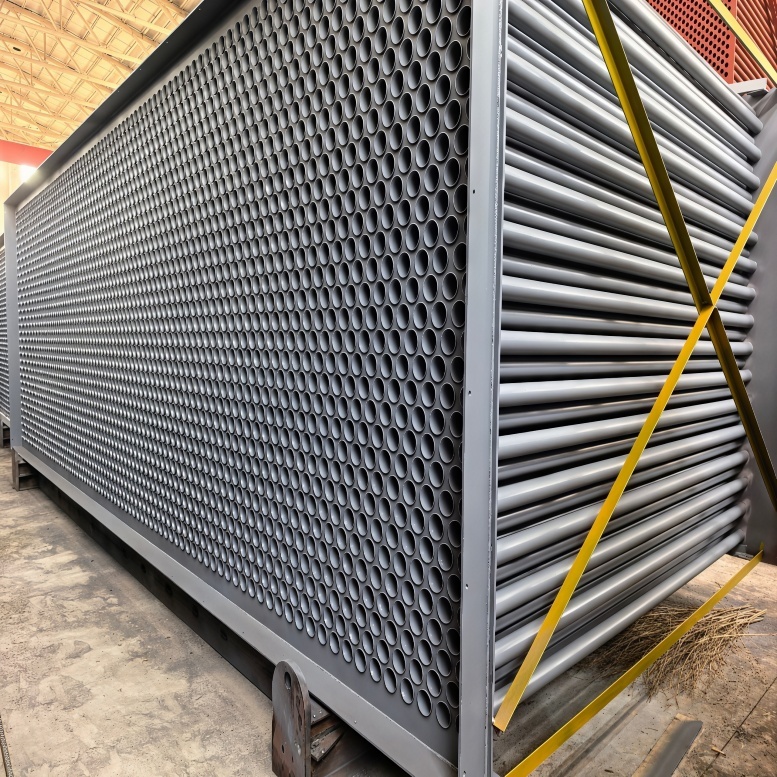
If you procure tubing for an economizer bank, a rotary air preheater, or a hot-pass/cold-pass heat recovery section, you already know the real problem isn't finding a mill that makes tubes — it's finding one whose corten steel tubes ASTM A423 Grade 1 ERW actually survive flue gas condensation, sulfuric acid dew point corrosion, and years of thermal cycling without a warranty claim landing back on your desk. That's the specific gap we've spent more than two decades closing. PETROL STEEL CO.,LTD produces and exports corten steel tubes (ASTM A423 Grade 1 ERW), hot and cold pass air heater tubes, cold-side air preheater tubes, weathering steel corten tubing, hot-side air heater tubes, and ASTM A513 1010 ERW tubes to boiler builders, HVAC contractors, and heat-recovery equipment fabricators across Asia, the Middle East, Europe, and the Americas. We're not writing this page to tell you we're "leading" or "world-class" — we're writing it because buyers searching for a dependable corten tube supplier deserve a straight technical answer, not a slogan.
Why ASTM A423 Grade 1 Corten Composition Matters More Than the Wall Thickness Spec
Most inquiries we receive start with a wall thickness and an OD, and end up, two or three emails later, on a conversation about corrosion allowance. That's because corten (weathering) steel's real value in air heater and economizer service isn't strength — it's the copper-chromium-nickel alloying that forms a stable oxide layer resistant to the low-pH condensate that forms when flue gas temperature drops below the acid dew point. A423 Grade 1 tubes made from ordinary low-alloy steel without correct residual copper and chromium content will pit prematurely in exactly that condensation zone, which is usually the cold-end tube bundle in an economizer or the cold pass of a rotary air preheater. Our ERW tube production controls chemistry at the strip-coil stage, not just at final inspection, because corrosion resistance in this application is decided by composition, not by a mill certificate that only checks tensile and yield. For buyers replacing failed tube bundles, this is usually the actual root cause worth investigating before re-ordering the same spec that failed.

Hot Pass, Cold Pass, and Air Preheater Tubes — Matched to the Temperature Zone, Not a Generic Catalog Size
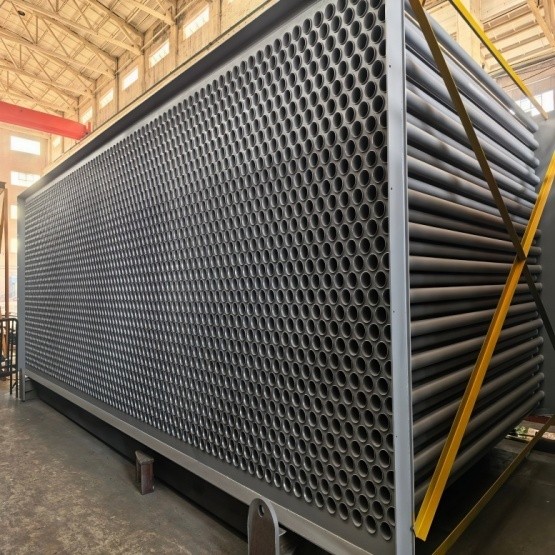
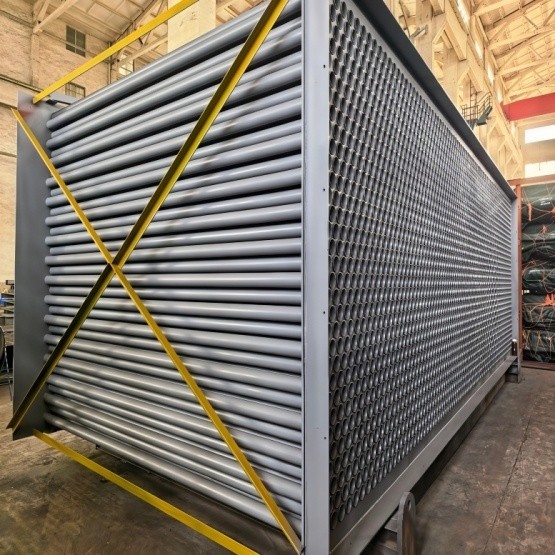
A recurring mistake we see in tender documents is specifying a single tube grade for an entire air heater bundle. In practice, the hot pass (hot-side) section of a tubular air heater operates at flue gas inlet temperatures that require different scaling resistance than the cold pass, where acid condensation is the dominant failure mode. We supply hot and cold pass air heater tubes as matched sets engineered for each temperature zone: cold pass tubes prioritize corten-grade acid resistance, hot pass tubes prioritize oxidation and creep resistance at sustained elevated temperature. This distinction sounds minor on a spec sheet, but it's the difference between an air preheater that runs a full maintenance cycle and one that needs cold-end tube replacement after eighteen months. When buyers send us their air heater drawing with zone temperatures marked, we quote tube grade by zone — not a single uniform spec padded to cover the worst case, which is how most buyers end up overpaying for the hot-pass sections while still underspecifying the cold-pass ones.
ASTM A513 1010 ERW Tubes for Structural and Mechanical Applications
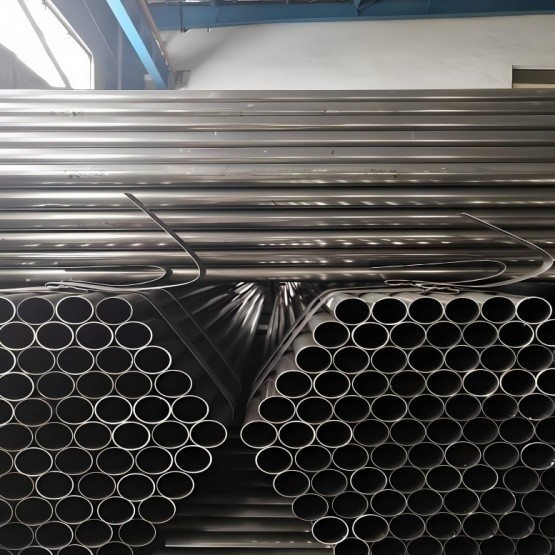
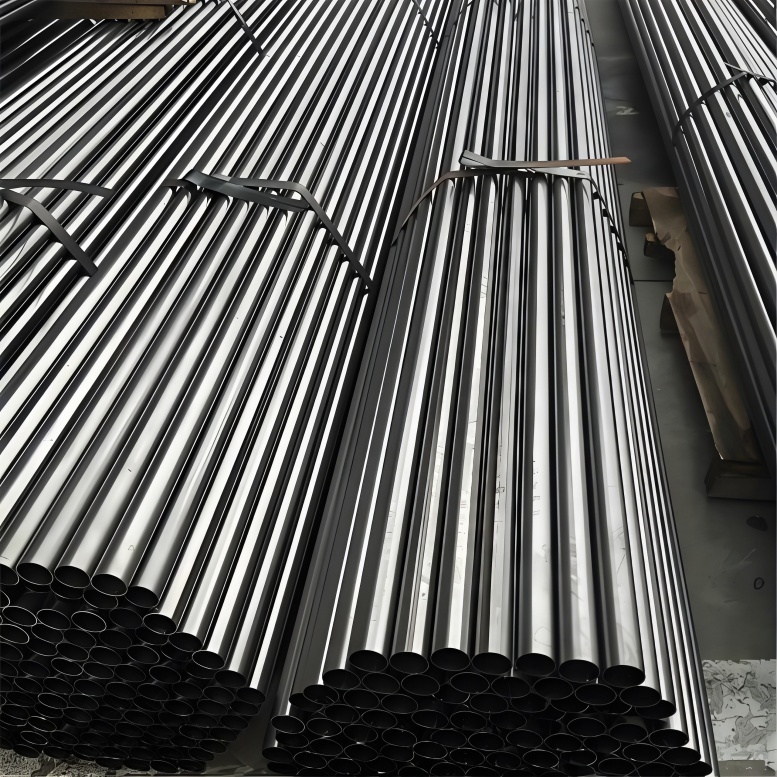
Alongside corten and air heater tubing, we produce ASTM A513 Type 1010 ERW tubes for buyers who need consistent low-carbon mechanical tubing for structural framing, mounting brackets, and support components inside boiler, HVAC, and heat-recovery skids — the parts of the system that don't see direct flue gas exposure but still need dimensional consistency for downstream welding and machining. Many of our export orders combine A423 Grade 1 corten tubes for the heat-exposed sections with A513 1010 tubes for the structural frame in a single shipment, which is a detail worth mentioning to your logistics team early, since combining grades in one container under one HS code declaration set can simplify customs clearance on the buyer's end.

Where These Tubes Actually End Up in the Field
PETROL STEEL CO., LTD's tubes fall into four application categories that recur in inquiries, and it's worth being specific rather than listing generic industries. First, economizer banks in coal- and gas-fired boiler systems, where our corten tubes preheat boiler feedwater using tail-flue-gas waste heat — the single largest volume application for our cold-pass tube grade. Second, HVAC air-side economizer and heat-recovery coils in commercial building systems, where outside air is used directly for cooling or to preheat incoming ventilation air through a heat exchanger core. Third, fuel and process-heat economizers in chemical and petrochemical plants, recovering waste heat from high-temperature process gas streams — an application where sulfur content in the feedstock makes corten's acid resistance a hard requirement rather than an upgrade option. Fourth, waste-heat recovery units on industrial laser equipment and similar high-duty-cycle machinery, where compact tube bundles must withstand repeated thermal cycling without fatigue cracking at the weld seam. If your project doesn't fit neatly into one of these four, tell us the flue gas or process gas composition and operating temperature range and we'll tell you honestly whether corten is the right call or whether you'd be better served by a different alloy.
Twenty Years, Zero Claims — What That Track Record Actually Reflects
We've exported corten steel tubes and air heater tubing for over 20 years, and in that time we haven't had a claim filed against a shipment. We say this not as a marketing line but because in tube manufacturing, a zero-claim record over two decades is only achievable through boring, repeatable discipline: consistent strip-coil sourcing, ERW weld seam inspection on every run rather than sample-based spot checks, and dimensional tolerance control that doesn't drift between production batches. Buyers who've been burned by a mill that passed inspection on the first order and then quietly loosened tolerances on repeat orders will understand why we consider that consistency the actual product, more than any single mill certificate. Third-party inspection, mill test certificates, and material traceability documentation are available on every order — we build export documentation assuming your import inspection team will check it line by line, because they usually do.

Requesting a Quote or Technical Consultation
If you're sourcing corten steel tubes ASTM A423 Grade 1 ERW, hot or cold pass air heater tubes, air preheater tubes, or ASTM A513 1010 ERW tubes for an economizer, boiler, HVAC, or waste heat recovery project, send us your tube bundle drawing, operating temperature ranges by zone, and flue gas or process gas composition if available. We'll respond with a grade recommendation matched to your actual operating conditions — not a generic quote pulled from a standard size chart — along with lead time and mill certificate sample documentation for your technical and procurement teams to review before you commit to an order.
Superior Quality, Prompt Delivery, Favorable Feedback. All are available in PESCO.
Select PESCO, you will be right!
https://www.petrolsteel.com/Contact-us.html
Tel/Fax: +86 10 8599 9168
Cell/WhatsApp/ Wechat: 0086 159 0035 7871
Email: sales@petrolsteel.com, jackywinn@foxmail.com
Buyer Concerns About Corten Steel ERW Tubes ASTM A423 Grade 1
1. Is the Corten Steel ERW Tube really ASTM A423 Grade 1 certified?
Buyer Concern:
How can we verify that the supplied tubes are genuine ASTM A423 Grade 1 weathering steel instead of ordinary carbon steel?
Mill Test Certificate (MTC)
Heat Number Traceability
Chemical Composition Report
Mechanical Test Report
2. What is the difference between ASTM A423 Grade 1 and normal carbon steel ERW tubes?
Buyer Concern:
Why should we pay more for ASTM A423 Grade 1 instead of standard carbon steel tubes?
They compare:
ASTM A423 Grade 1:
Copper alloy elements
Chromium/Nickel addition
Protective patina formation
vs
Carbon Steel:
Faster corrosion
Requires coating/painting
3. Can ASTM A423 Grade 1 ERW Tubes be used in harsh outdoor environments?
Buyer Concern:
Will the tube survive rain, humidity, coastal atmosphere, and industrial environments?
Typical applications:
Bridges
Outdoor structures
Railway projects
Power plants
Architectural steel structures
Industrial facilities
Customers worry about:
Marine salt environment
High humidity areas
Chemical atmosphere
Corten steel requires suitable wet-dry cycles to develop a stable protective patina.
4. What is the MOQ and delivery time for ASTM A423 Grade 1 ERW Tubes?
Buyer Concern:
Can you supply quickly for our project schedule?
Importers care about:
Stock availability
Production lead time
Container loading
Export experience
Questions:
Do you have ready stock? Yes.
How many tons can you supply monthly? 5,000 tons
What is your delivery time? 7-30 days.
5. Is the ERW welding quality reliable for pressure or structural applications?
Buyer Concern:
Is the ERW weld seam strong enough for long-term service?
Buyers focus on:
Welding technology
Weld inspection
Heat treatment
Hydrostatic testing
NDT testing
We can proof:
Eddy Current Test
Ultrasonic Test
Hydro Test
Visual Inspection
6. Can you provide complete quality documents for EPC projects?
Buyer Concern:
Will your documents be accepted by our engineering consultant and project owner?
The important documents we can supply:
EN 10204 3.1 MTC
Chemical Analysis
Mechanical Properties
Dimensional Inspection Report
Third Party Inspection Report
For EPC buyers, documentation approval is often as important as price.
7. 5 Things Global Buyers Must Check Before Purchasing ASTM A423 Grade 1 Corten Steel ERW Tubes
8. ASTM A423 Grade 1 vs Carbon Steel Tube: Why EPC Contractors Choose Weathering Steel
9. How to Verify Genuine Corten Steel Tubes Before Importing From Overseas Suppliers?
English
Chinese