English
 Chinese
Carbon Steel Pipe Fittings Supplier: What EPC Buyers Should Actually Check Before Placing an Order
Carbon Steel Pipe Fittings Supplier: What EPC Buyers Should Actually Check Before Placing an Order
I've been quoting carbon steel pipe fittings to overseas buyers for more than twenty years now, and the question that still opens almost every serious conversation hasn't changed: "Can you actually deliver this on time, at this spec, without surprises?" That's a fair question, because in this industry the fitting itself is rarely the problem — a seamless elbow or a weld cap isn't complicated engineering. The real risk sits in everything around it: whether the wall thickness on the mill certificate matches what's physically in the crate, whether the supplier holds enough stock to cover a project schedule that never moves in your favor, and whether anyone picks up the phone when a shipment needs to change at the last minute. That's the conversation I want to have on this page, not a product catalog dressed up as marketing copy.
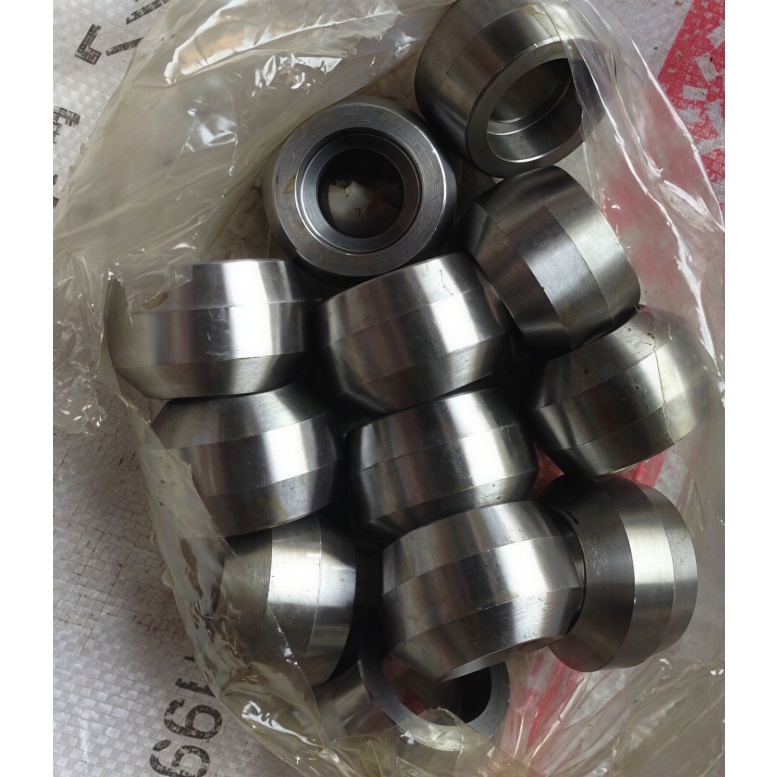
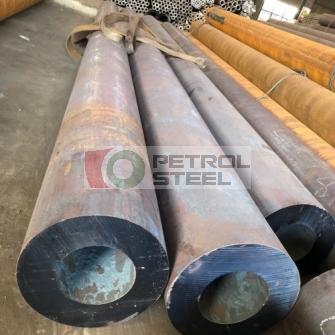
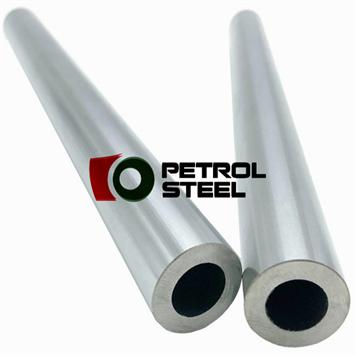
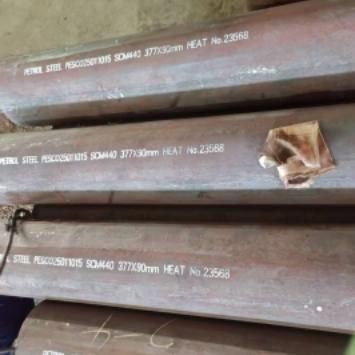
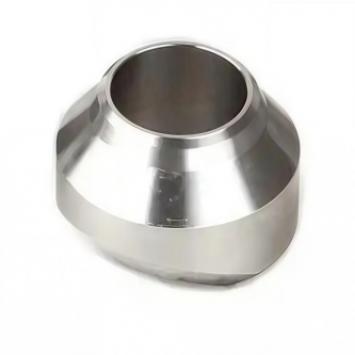
PETROL STEEL CO., LTD supplies carbon steel pipe fittings — elbows, tees, reducers, caps, stub ends, and both seamless and welded fittings in standard and heavy wall — built around ready inventory rather than made-to-order promises. Our warehouse carries standing stock across ASTM A234 WPB, A420 WPL6, A860 WPHY grades and equivalents, in sizes from 1/2" through 48", covering Schedule 10 through XXS wall thickness. When a procurement manager sends us a BOM with a fixed delivery window — which is most of the time, since carbon steel fittings usually feed into a piping package with a hard commissioning date — we check what's physically on the shelf before we quote a lead time we can't actually meet. That distinction matters more than most buyers realize until they've been burned once by a supplier who quoted from a catalog instead of a warehouse.
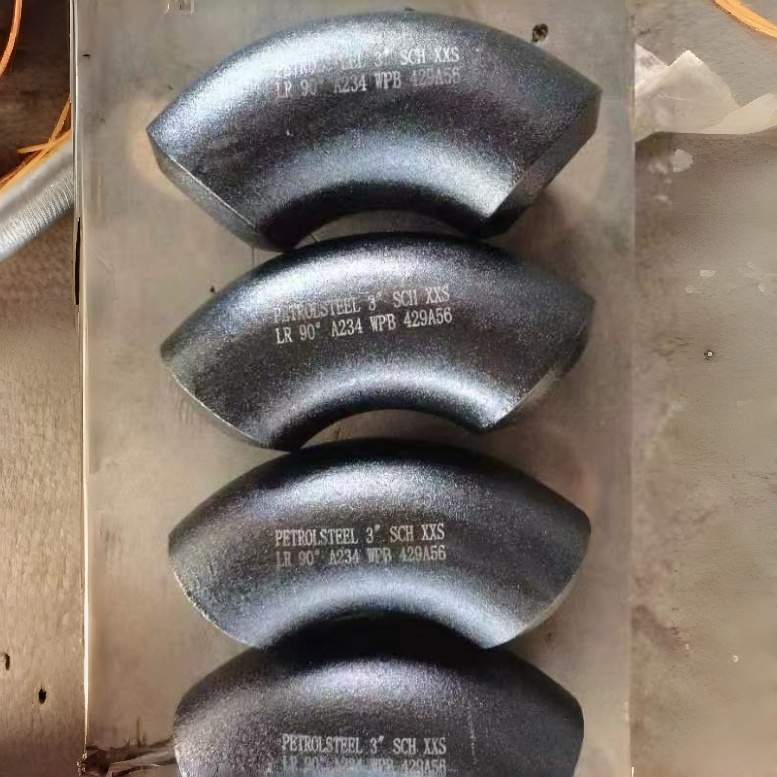
The industries we supply tell you what tolerances we actually work to, not just what we claim to. In oil and gas and midstream pipeline projects, our fittings go into sour and non-sour service piping where full heat-number traceability and NACE MR0175 compliance are contract line items, not optional extras, and we issue mill certificates against the actual heat, not a batch average. In power generation, fittings often run into high-temperature steam and boiler feedwater lines, where creep-resistant grades and dimensional accuracy under thermal cycling actually matter — we don't ship generic WPB into a high-temperature application and hope it holds. Municipal and construction projects care more about coating compatibility, corrosion allowance and consistent OD/ID tolerances across a large mixed order, since a municipal contractor is usually installing thousands of fittings across a distribution network rather than a handful of critical joints. Chemical and coal chemical plants push us on chemical compatibility and sometimes post-weld heat treatment documentation. Marine and offshore platform buyers need fittings rated for cyclic loading and often want class society approval (ABS, DNV, BV) referenced on the papERWork. Mining and metallurgical clients care about abrasion and slurry-line durability. Machinery manufacturers and general equipment builders often order smaller, more precise batches where dimensional consistency across the whole lot matters more than raw tonnage. Agriculture and water conservancy projects are usually large-volume, cost-sensitive, and schedule-driven around seasonal construction windows. Each of these buyers is actually asking a different question when they contact us, and treating them all with the same generic pitch is exactly how a supplier loses the second order.
If you've sourced carbon steel fittings out of China before, you already know that unit price is the easy part to compare and the least useful number for predicting whether an order will actually go smoothly. What predicts that is track record. We've exported carbon steel pipe fittings for over two decades, primarily to buyers across the European Union, the Middle East, Southeast Asia, Africa and South America, and across that entire run we have zero documented claims for material failure, dimensional non-conformance, or certification discrepancy. That's not a slogan — it's a number our long-term clients, some of whom have been reordering from us for over a decade, will confirm if you ask them directly rather than taking our word for it. In an industry where a single mismatched fitting can delay a pipeline tie-in or fail a hydrotest, that history is the actual thing you're paying for.
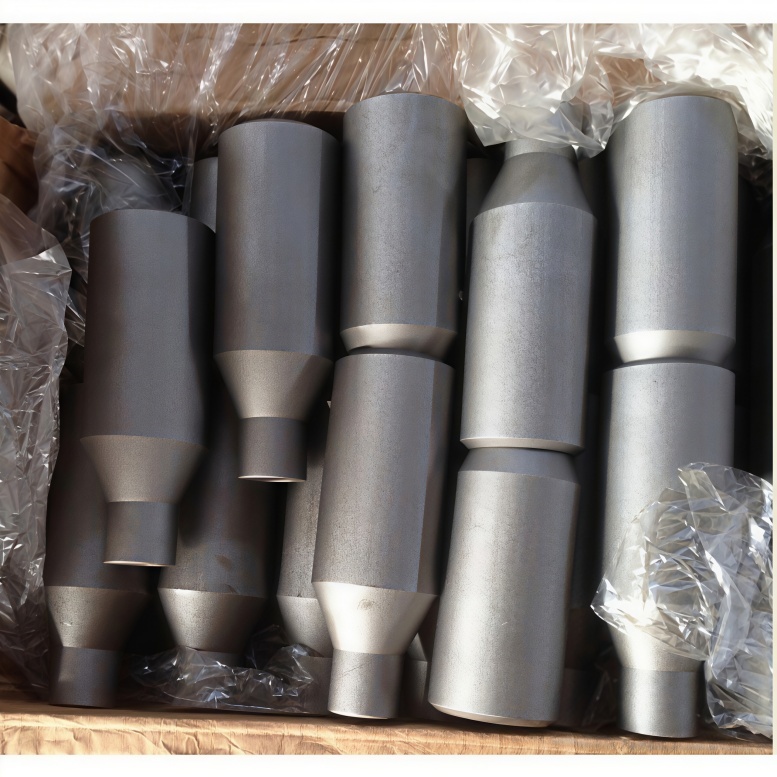
What separates PETROL STEEL CO., LTD from a typical trading company isn't just that we hold stock — it's that we manage the entire chain as one connected process instead of handing a buyer between departments. When a client sends a non-standard drawing or a mixed-grade order, our technical team checks dimensional and material feasibility before we quote, so problems get caught on paper instead of after fabrication. Every shipment can include third-party inspection on request (SGS, BV, TUV, ABS as applicable), export-grade packaging built for ocean freight and rough handling at transshipment ports, and documentation prepared specifically for the customs requirements of the destination country — because fittings that are technically correct but held up at customs over a papERWork gap are still a failed delivery from where the buyer is standing. That's what "design to production to logistics, one-stop service" actually looks like in practice, not just a phrase on a homepage.
I'll say plainly what most suppliers won't: matching our price on a single line item isn't hard, and plenty of factories will undercut us on any one SKU you name. What's harder to match is consistency across order fifty and order five hundred — the same wall-thickness accuracy, the same responsiveness when a vessel booking changes, and the same willingness to stand behind a certificate a year after the fittings left our warehouse. That consistency is what stockists, wholesalers and EPC procurement teams are actually buying when they choose a supplier for the long term instead of the lowest quote sitting in their inbox that week, and it's why our relationships with buyers tend to run for years, order after order, rather than ending after the first container.
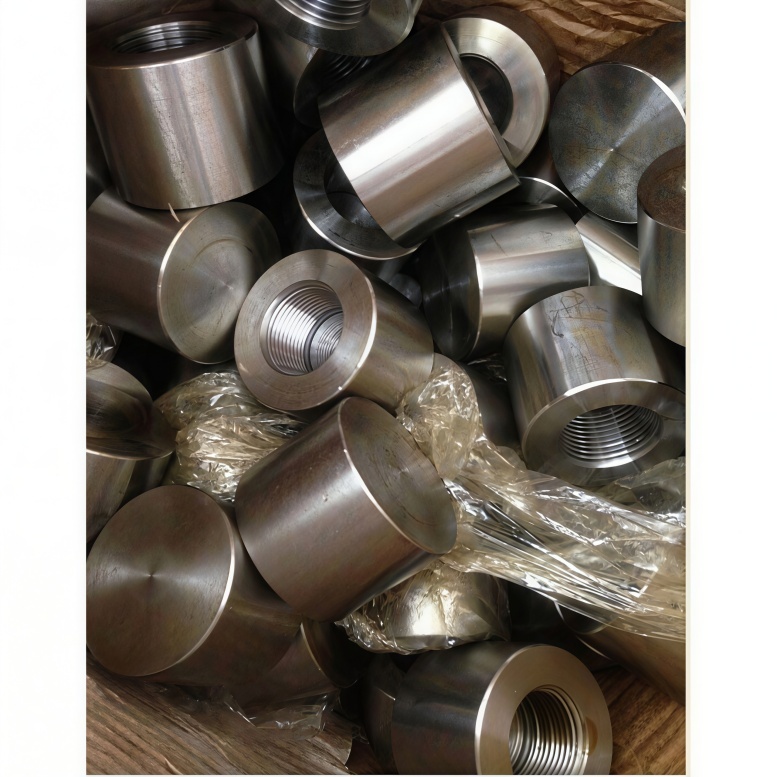
If you're currently qualifying a carbon steel pipe fittings supplier — for a project BOM, a distribution stock replenishment, or an approved vendor list — the fastest way to evaluate us isn't reading further down this page, it's sending a real inquiry: sizes, schedule, grade, and your delivery window. We'll respond with actual stock status and a lead time we can back up, not a placeholder number. Twenty years of zero claims across five continents didn't come from writing convincing web copy; it came from fittings that showed up correct, on schedule, every time. That's the standard we're asking you to test us against.